Warning: opendir(/home/akhilasoukhya/public_html/wp-content/mu-plugins): failed to open dir: Permission denied in /home/akhilasoukhya/public_html/wp-includes/load.php on line 645
Homepage 2 | Page 133 of 136 | Akhila Soukhya
  • Call:+91-9945890484

Blog

Categories Diabetes, Diet, food, nutrition, Preventing Illness

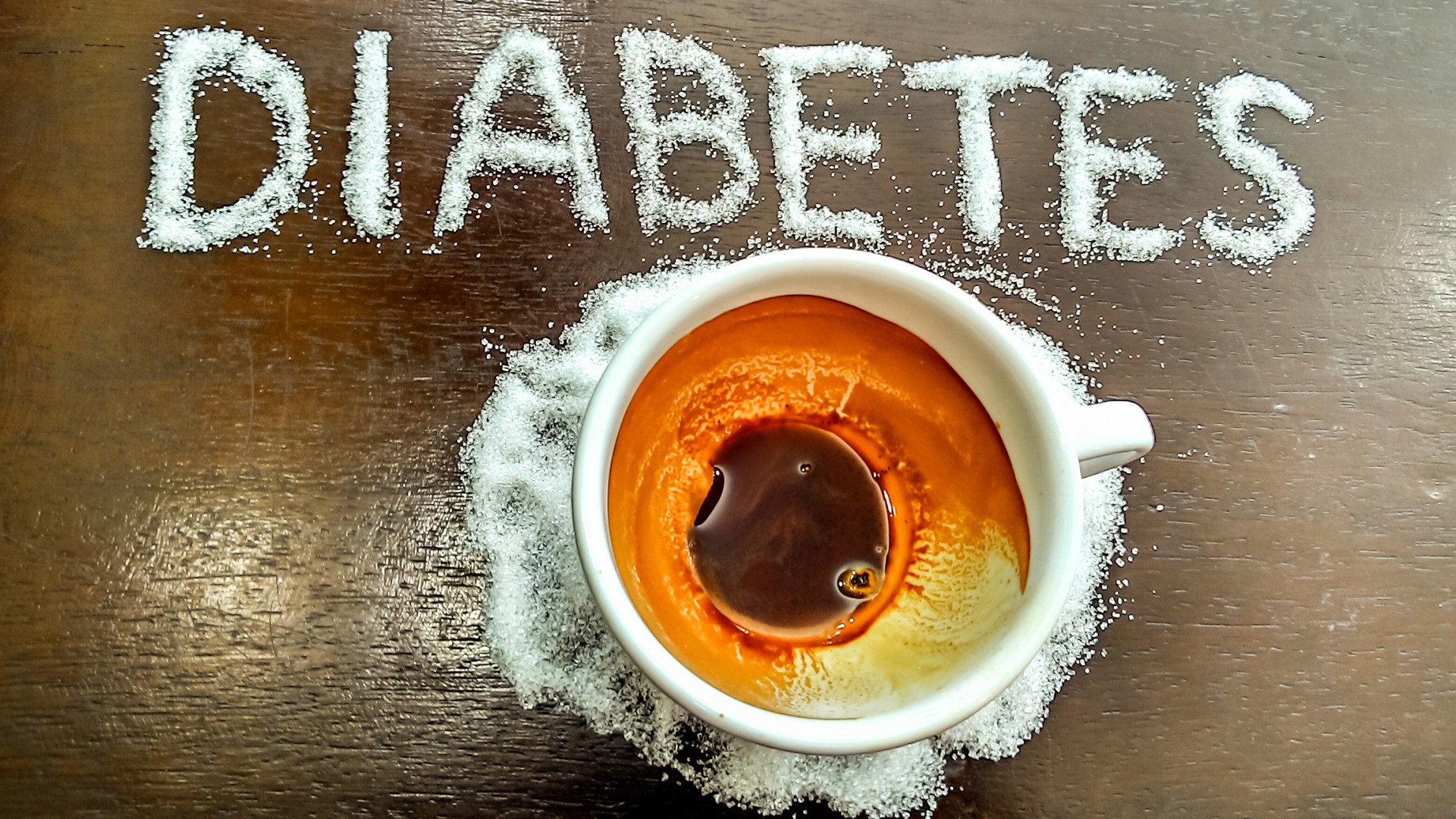
Control & Live Better with Diabetes

Life with diabetes is a series of choices. What are the healthiest foods? How much, what and when questions fill your days, but they need not dictate your life!

Even if you are genetically prone to getting diabetes, you can postpone the problem or not precipitate it at all if you choose to eat sensibly and exercise regularly. The secret to managing diabetes or diabetes treatment does not lie in a pill. If you want to control your sugar levels without depending on conventional medicines, follow a good Indian diet plan for diabetes, eat timely meals and incorporate mild exercise into your daily routine.

The right Indian diet chart for the diabetic patient must fit into his schedule while helping him improve blood glucose, blood pressure, cholesterol numbers and also help keep weight on track. However, it can take some planning to fit your favorite foods into Indian diet plan for diabetes.

Myth about Diabetes

Sugar doesn’t cause diabetes. But there is one way that sugar can influence whether a person gets type 2 diabetes. Consuming too much sugar (or sugary foods and drinks) can make people put on weight. Gaining too much weight leads to type 2 diabetes in some people. Weight gain from eating too much of any food can make a person’s chance
of getting diabetes greater.

• Insulin isn’t a cure for diabetes; it just helps to manage the disease. Insulin helps get glucose out of the blood and into the cells, where it’s used for energy. When you do that, it keeps blood sugar levels under control.

• The onset of type 1 diabetes occurs most frequently in people under 30 years, however new research suggests almost half of all people who develop the condition are diagnosed over the age of 30.

• There is a major myth about gaining weight due to insulin therapy. And here is the explanation. When blood sugar is elevated, glucose is excreted in the urine, eliminating some of the calories consumed. Once insulin treatment is begun, those calories stay in the body, and if the patient consumes more calories than he or she burns, he or she will gain weight.

• There is some truth here — depression is more than twice as common among people with diabetes as among the general population, and blood sugar swings can affect mood in the short run.

• But depression is a treatable illness, and good diabetes control contains mood swings

• No one can accurately guess what his or her blood sugar is by feel. While lows have a distinct set of symptoms, these warning signs provide no reliable indication of how low you actually are, and while some people feel vaguely ill if their sugar goes high quickly, these same symptoms rarely are present when sugar creeps higher over a long period of time.
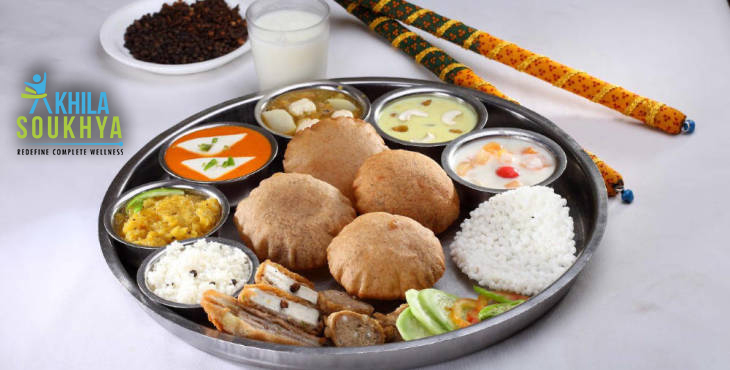
navratri special diet
Categories Advice, Diet, festival special, Fitness, food, Health, meal palnning, Meals and Snacks, Tips, Wellness

Well-Balanced Diet for Navaratri fasting

The festivities of Navratri begin shortly. Along with the fun and frolic of garba, it also brings along the nine-day fasting routine. In order to maintain good health, it is imperative that you follow a healthy diet and fast in a safe manner.

Is fasting healthy? Many may wonder if going on a nine-day fast is indeed healthy for our bodies. Yes, it is an extremely healthy practice as long as you do not starve yourself. Fasting helps you cleanse and detoxify your body and mind. All you need to do is fast in the correct manner by eating small meals frequently and select healthy eating options.

Bad effects of not fasting properly:

Many people who fast also go to play garba or dandiya in the evenings. Since this requires stamina and energy, it is vital that you fast in a proper manner in order to enjoy the festivities and not strain your body’s health. Some of the ill-effects of not fasting properly are:

  • Weakness and fatigue
  • Fainting due to a drop in blood sugar level
  • Unable to sleep properly
  • Lack of stamina
  • Tiredness

Who should avoid fasting?

We suggest diabetics and pregnant woman avoid this fast as it can cause a drop in the blood sugar levels which is not conducive in both the cases.

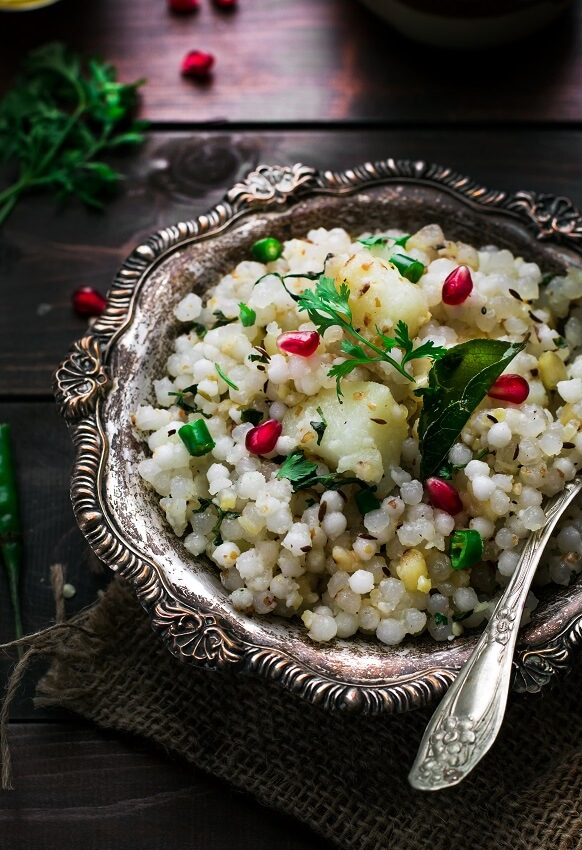
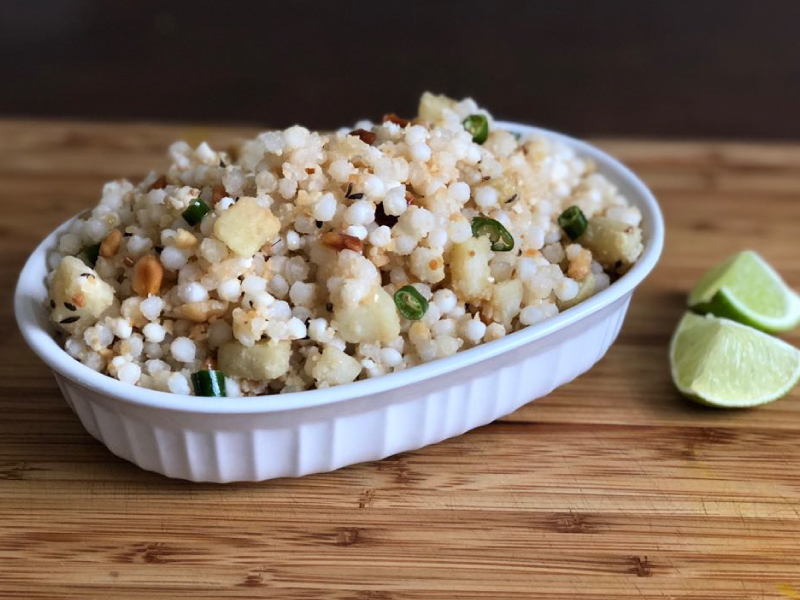
sabudana khichdi for navratri fasting

1.) Breakfast options (choose any one)

  • Fruits shake with wet almonds.
  • Fruits with cream of milk.
  • Amaranth porridge with nuts.

2.) Mid-morning options (choose any one)

  • Green tea with water.
  • Lemon water with fruits.
  • Coconut water with fruits.

3.) Lunch options (choose any one)

  • Baked sabudana tikkis with veggies and curd.
  • Grilled Vadas with mint spicy chutney.
  • Kuttu chapatti with vegetables and salad with raita.
  • Samak rice with vegetables and salad.

4.) Post Lunch

  • Drink a cup of hot green tea.

5.) Evening time

  • Green tea with baked chips or roasted makhana or baked namkeen.

6.) Dinner (choose any one)

  • Paneer tikka with vegetables.
  • Milk with fruits.
  • A bowl of vegetables and salad.
  • Pumpkin and bottle gourd soup with vegetables.


Here is the collection of Farali recipes which you can have during fasting. All fruits and foodstuff made of fruits are eaten during the seven days. The devotees, who have taken fast, would get up early in the morning, take bath and worship to the Maa Durga.

People follow a specific diet for Navratri special, if they haven’t observed a nirahar means water-less fast. Special in Gujarati people may not eat onion, garlic, wheat, rice, vegetables etc.

They take beverages like tea, coffee, and milk, on Navratri. Dishes made of sago, potato, and Singhare ka atta, kuttu ka atta is generally consumed by the people, when they observe fast on Navratri.

Sendha namak as rock salt is used instead of common salt, for cooking on the festival. All fruits and foodstuff made of fruits are eaten during the seven days.

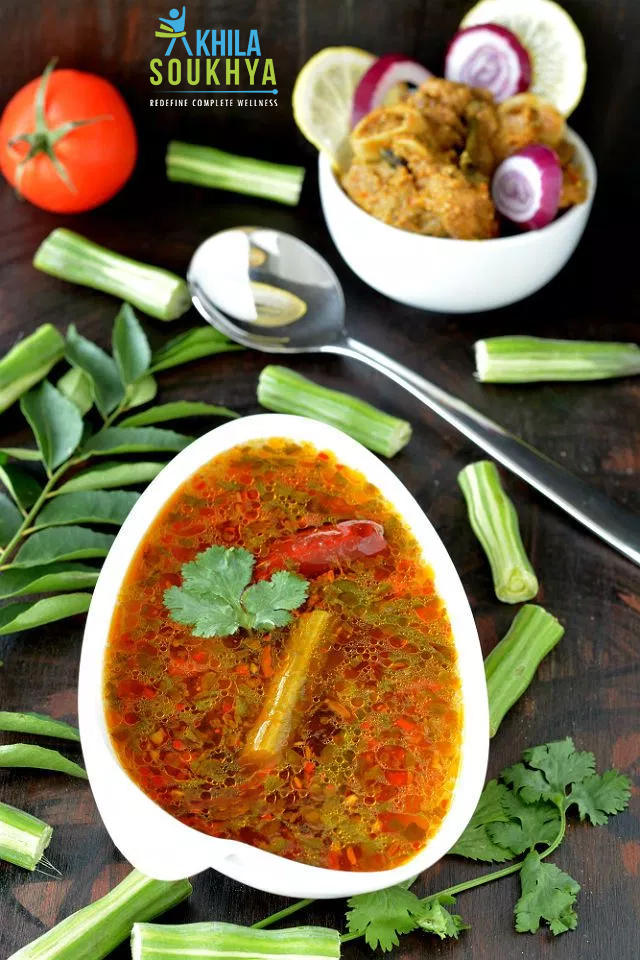
drum stick rasam

Here is the Gujrati farali recipes..

  • Sabudana Khichdi
  • Mandvi Paak
  • Singhoda ni Kheer
  • Moriyaani Khichadi
  • Dudhi no halvo
  • Suran Bataka ni khichadi
  • Potato Rosti
  • Potato Wafers
  • Farali Batata vada

South indian navaratri festival recipes..

  • Rice Payasam
  • Carrot Payasam
  • Lemon Rice
  • Besan Ladoo
  • Vermiceli Kheer
  • Udipi Sambar
  • Drumstick Rasam
  • Idli recipe
Categories Advice, Exercise, festival special, Fitness, food, Health, Meals and Snacks, Tips

Navaratri tips for fasting

Navratri special: Navratri is one of the most important Hindu festivals celebrated twice in a year.

In the eastern state of West Bengal, the festival takes the shape of Durga Puja, when the devotees of the deity celebrate the triumph of good over evil.

In north India, Gujarati people observe a seven day fast during Navratri and break their fast on Navami, the nine days of the festival by worship young girls.

People from all over the world celebrate Navratri special with passion, intensity, and enthusiasm. While some people take participate in the celebrations for religious reasons but others look to give their body a much needed lose weight.

If you plan to fast this Navratri special then make sure that it is done the healthy way. It can help you lose weight, wash your mind and will leave you feeling great!

Tips to follow to make fasting in good health –

1. Keep yourself happy, making your cheeks rosy and eyes bright. Drink lots of water max to max 2 litter par day and liquid like lemon water, coconut water, Energy drink, green tea, and buttermilk.

2. Eat minimum meals and do not get hungry yourself. This will help keep blood sugar levels and stop you from feeling faint and low.

3. Amaranth Grain, one of the most promising unexploited food and folder crops. It is the best protein origin you can take during fasting. Make amaranth porridge with milk or cook it as namkeen dalia with lots of vegetables.

4. Combine high carbohydrates food like sabudana and potatoes which is mostly used in fasting with other stringy vegetables like bottle guard spinach, capsicum, tomatoes, cabbage, etc. Also try to roast, grill or bake vegetables instead of deep-frying them.

5. Samak rice is very easy to digest and can be applied in any kind of quantity.

6. Control those evil sugar strong desire by eating a lot of dates, Samak rice kheer, apple kheer, and fruits raita.

7. Try and eat healthy snacking and don’t overeat onnamkeens packets as they are high in salt and fat content.

8. Instead, pick for roasted makhana, a mix of nuts like almonds/ raisins/ walnut / baked chips, roasted peanuts, etc.

9. Change sugar with honey or jaggery.

10. Use skimmed milk instead of full cream milk.

sleeping how to improve by akhilasoukhya
Categories Advice, Exercise, Meditation, Sleep, Stress Management, Tips, Wellness

How to Improve your Sleep

Sleeping is the main part of a healthy lifestyle so here we explaining how to improve your sleep, it also helps you to reduce your stress level if you have good sleep during the night.

During the day

The purpose of sleep is to make us effective during daylight hours. Whether you consider yourself to be a good sleeper, or you struggle to get a good night’s rest – it’s important to realize the full potential of your nightly sleep. Here are several ways of changing your daytime habits to improve your sleep at night …

  • Take physical exercise
  • Eat a balanced diet
  • Curb your caffeine intake
  • Restrict tobacco after dark
  • Avoid alcohol

During the evening

The very fact that it’s the norm to have dedicated bedrooms in our homes indicates just what a priority sleep is to us. Whereas the other rooms in our homes are where we enjoy relaxed wakefulness, the bedroom is where we should anticipate having the good quality sleep.

As such, we should do what we can to make it a sleep-friendly environment. It’s important to consider the following arrangements that are likely to support good quality sleep …

  • Turn out the light
  • Let the room breathe
  • Optimum temperature
  • Banish noise

how to improve sleep by akhilasoukhya

During the night

How often have you found yourself lying in bed thinking: “If only I could relax, I’d be able to sleep”? Well, there has to be truth in that.

The following excerpts will give you an idea of what each technique involves …

1 Progressive muscle relaxation

Turn your attention to your arms and hands. Create some tension in your hands and arms by pressing your fingers into the palms of your hands and making fists. Do that with both hands now. Feel the tension in your hands, feel the tension in your fingers and your wrists, feel the tension in your forearms.

Notice what it is like. Keep it going … and now relax. Let those hands flop. Let them do whatever they want to do; just let them relax.

It’s almost as if you couldn’t be bothered to move them. Let go of the energy and tension that was in the muscles there, breathing slowly and deeply.

2 Imagery training

Keeping your eyes gently closed, concentrate on picturing a pleasant scene. Picture yourself standing on a grassy slope. Look down at your feet – there is green grass all around you, the kind that grows well in the summer months. It looks thick and strong – it looks healthy.

Just ahead of you, you will see there is the beginning of a path, and as you look down that path, you can see it winds down through some bushes, to a beautiful sandy beach, and beyond to the sea, a deep, clear blue.

And as you stand on that grassy slope, as you look around you, you feel the breeze, warm and gentle on your cheek, and you feel the sun on your head, warming the back of your neck. It is a beautiful morning.

Categories Beverages, Diet, Fitness, food, Health, nutrition, skin, Wellness

Health benefits of Bottle Gourd in Morning

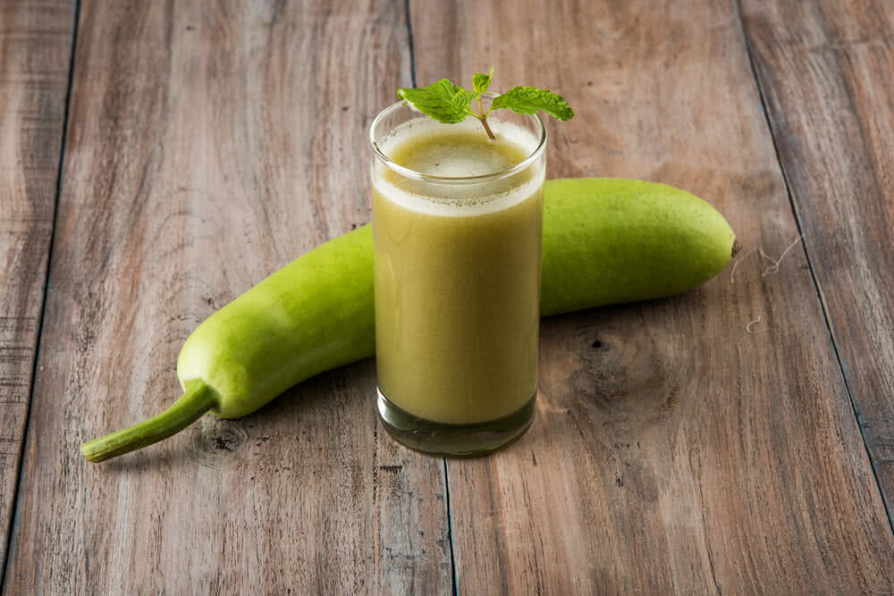
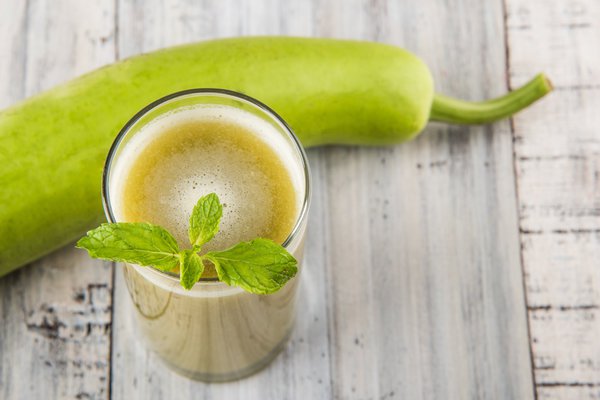
8 reasons to start your day with Bottle Gourd juice!

What is the first thing you do after waking up? If you have a habit of drinking bed tea or coffee, give it up right now! Kick-start your day with a healthy Bottle Gourd juice. Be it post workout and detoxification or dealing with UTIs. Bottle Gourd juice can work wonders for your health.

#1 Acts as an excellent post workout drink

Replace your protein shake with a healthy and natural post workout drink – (Bottle Gourd)lauki juice. The presence of natural sugars in the vegetable not only restores glycogen levels but also replaces the carbohydrates lost from the body during a workout. This juice also improves the efficiency of the muscles due to its high protein and nutrient content.

#2 Helps you deal with UTI

If you are experiencing a burning sensation or pain while urinating, all you need to do is drink a glass of freshly prepared lauki juice every morning. Because, symptoms of urinary tract infection such as burning sensation and pain are caused due to high levels of acid in the urine. And as lauki juice is loaded with water and is alkaline in nature, it exerts a cooling effect on the body and acts as powerful diuretic agent, relieving the burning sensation.

#3 Detoxifies your body and exerts a cooling effect

Drinking a glass of lauki (Bottle Gourd) juice on an empty stomach makes you feel fresh and energetic. The juice contains 98% water and antioxidants that help in flushing the harmful toxins from the body. This in turn cleanses your body and helps you to start your day with a bang! Also, during the hot summer days, sipping this nutrient-rich juice not only satiates your thirst but also prevents loss of sodium from the body, providing a cooling effect.

#4 Helps you lose weight

Did you know that lauki juice is low in calories and fats, making it an effective drink to lose weight? Also, it is rich in fibre that keeps you full and thus, prevents you from hunger pangs. And being an excellent detoxifying agent and a great post workout drink, lauki juice helps you to achieve your weight loss goals.

#5 Acts as a natural remedy to get rid of suntan

If you don’t want summers to ruin your skin or leave a dark patch on your face and back, then try this home remedy to deal with suntan. Loaded with anti-inflammatory properties and high water content, lauki juice acts as a natural bleaching agent to lighten your skin tone. Due to the high water content, it also moisturizes the skin.

#6 Treats constipation and other digestive problems

If you suffer from constipation or flatulence, ensure you drink a glass of lauki juice once a day (preferably early morning). With 98% water content and high fiber content, lauki juice helps in proper digestion of food. It also contains electrolytes that helps in maintaining electrolyte balance in the body and help your to fight diarrhea.

#7 Helps you to deal with hair loss

If you have tried everything one earth and still haven’t found anything to prevent hair loss, then this miracle-like remedy might help you! Known to be loaded with nutrients, lauki juice when applied in combination with sesame oil on the scalp proves to be effective in treating hair loss and even baldness. And what’s more, in Ayurveda, it is known to prevent premature greying of hair.

#8 Relieves stress and depression

Lauki juice contains the highest amount of choline, a neurotransmitter, than any other vegetable. It is loaded with vitamins, amino acids and minerals that help in the synthesis of neurotransmitters that in turn help in proper functioning of the brain cells and thus, prevent mental disorders like stress and depression.

We are sharing a quick magic Bottle Gourd juice recipe with all of you.

Ingredients

• 1 cup Ghiya chopped.
• Mint
• Cumin powder
• Ginger
• Water
• Ice cubes
• Salt

Recipe

• Take 1 cup peeled and chopped Bottle Guard in a blender.

• Add handful mint, ½ tsp cumin powder, 1-inch ginger, ¼ tsp salt.

• Add 1 cup chilled water and blend smooth.

• Pour Bottle Guard juice in a glass with few ice cubes.

Categories Advice, Diet, food, New Food, nutrition, summer, Wellness

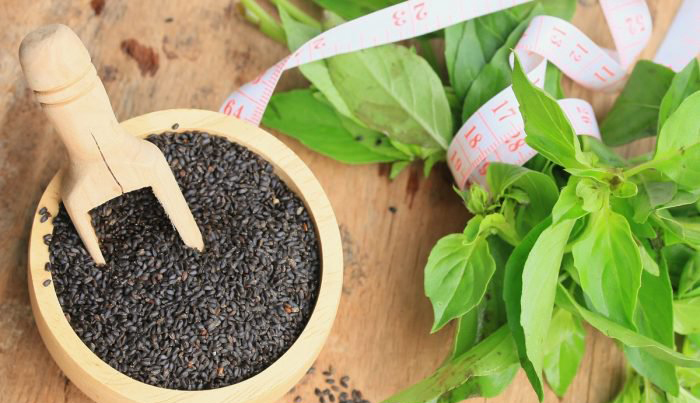
Know about Basil or Sabza or Tukmaria seeds

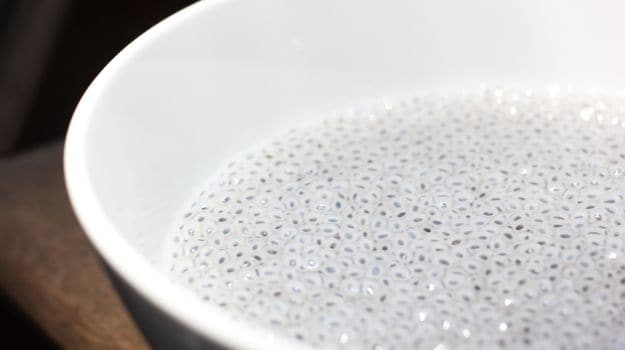
Sabja seeds, or basil seeds call them by any name, but including these magic seeds can be very healthy for your body. Usually consumed after soaking it in water, two teaspoons have only 40 calories but is very nutrient dense.

It is low-carb and high in protein, which is a rare combination in most vegetarian sources of food, The fibre will keep you feeling satiated long and ensure that you do not end up eating again. As a result, you end up eating lower calories and can potentially lose weight.

Sabja seeds have about 11gm of proteins, 5gm of carbs and 2gm of fibre, which makes it the perfect mix for weight loss. Sabja seeds contain oil components, which comprises of 50% linoleic acid, 22% linolenic acid, 15% oleic acid and 8% unsaturated fatty acids. It is also a good source of omega 3 and 6 fatty acids. This means it has anti inflammatory properties.

How to use?

The simplest thing you can do is soak two teaspoons of sabja seeds in water and drink it every day. “They can also be added to sherbets, falooda, smoothies for added benefits,”

Sabja seeds have always been used in Ayurveda largely due to its medicinal properties. It has a cooling effect on our body. It has also been used to treat conditions such as depression, high blood pressure, high cholesterol and metabolic imbalances.

When soaked in water, the seeds absorb water and increase in size, which in turn increases the fibre content. It has a mild flavour and it can also be mixed with yogurt. Make sure to allow at least 10-15 minutes for it to swell up.

“Basil seeds also offer benefits in preventing weight gain in people with metabolic syndrome. Animal studies have shown that consumption of basil seed extract may delay the development of insulin resistance and shows promise in treatment of diabetes. Basil seeds’ high fibre content likely slows digestion to prevent spikes in blood sugar, and subsequently the hormone insulin, following meals,”

Thus, basil seeds or sabja seeds can safely be added to your diet. However, just eating these seeds won’t lead to weight loss. You need to add some more diet tweaks and workout in order to lose weight.


A word of caution. Children and pregnant women should avoid consuming sabja seeds. Young kids could choke on these seeds, if they are not mixed well with water. In case of pregnant women, these seeds are known to lower down the levels of estrogen in the body. It is best to consult your doctor if you’re pregnant or suffering from any other ailments before adding sabja seeds to your diet.

Categories Advice, Diet, food, meal palnning, New Food, nutrition, Protein, Wellness

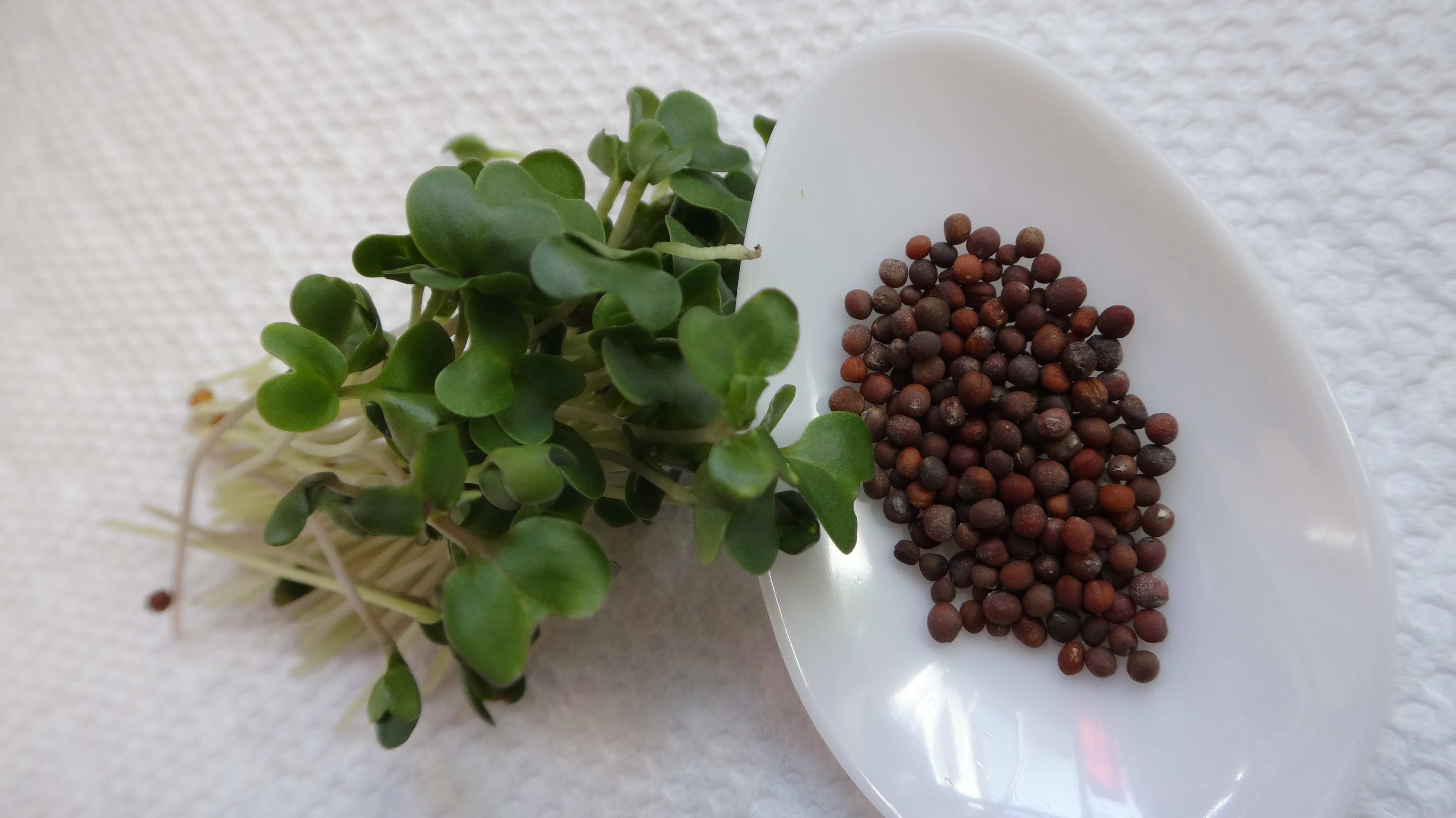
How to Grow Broccoli Sprouts at Home

What’s so special about broccoli sprouts? According to various researchers (including Johns Hopkins and Ohio State University), they contain 1,000 percent more nutrients than mature broccoli!

Sulforaphane, the prominent phytochemical in broccoli, combats cancer on several fronts − including removal of carcinogens, prevention of cancer cell production, destruction of breast cancer cells, and tumor reduction. These small plants are in the cancer research limelight for their unique ability to exert 50 times the amount of cancer fighting power of broccoli.

Sprouts are easily absorbed into the system because they also contain potent digestive enzymes.

Ingredients

2 tbsp broccoli sprout seeds.

Filtered water

Instructions

  • Add 2 tablespoons of broccoli sprouting seeds to a widemouthed quart jar.
  • Cover with a few inches of filtered water and cap with the sprouting lid.
  • Store in a warm, dark place overnight.
  • The next morning, drain the liquid off and rinse with fresh water. Be sure to drain all the water off.
  • Repeat this 3-4 times a day. Continue to store your seeds in a warm, dark place. After a few days, the seeds will start to break open and grow.

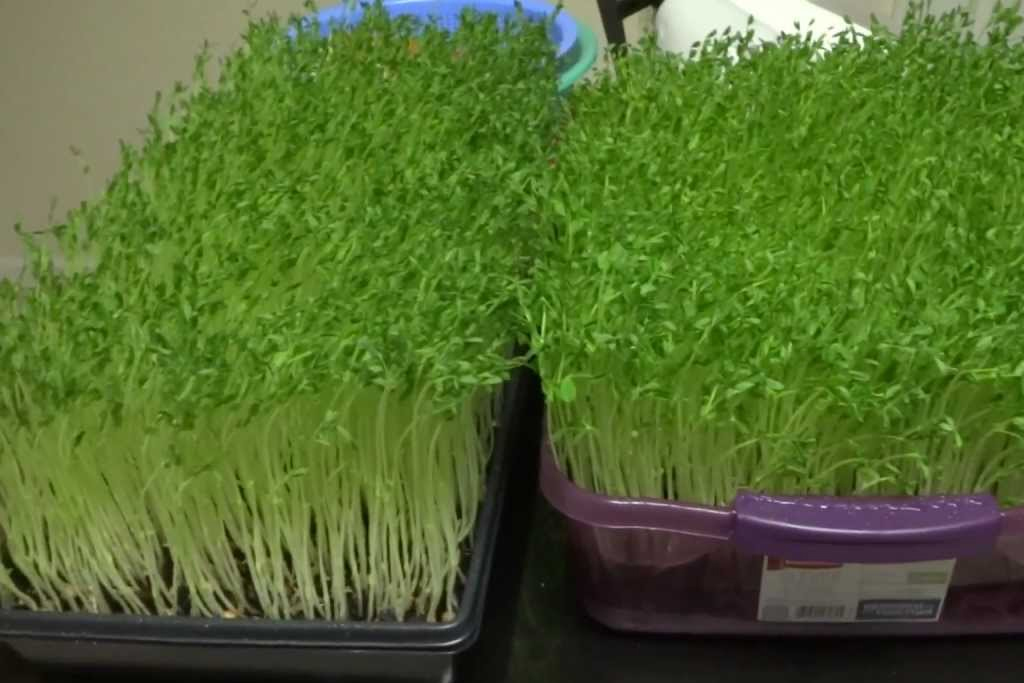
  • Eventually, the sprouts will be an inch or so long and have yellow leaves. Now you can move the sprouts out into the sunlight.
  • Continue to rinse them 3-4 times a day until the leaves are dark green. Now they are ready to eat!
  • This whole process will take about a week. Patience is key!
  • Once they are ready, replace the sprouting lid with a standard mason jar lid and store in the refrigerator.
  • Serve on top of salads, stirred into soups, or however strikes your fancy.
Categories Advice, Diet, Fitness, food, Health, meal palnning, New Food, nutrition, Protein, Wellness

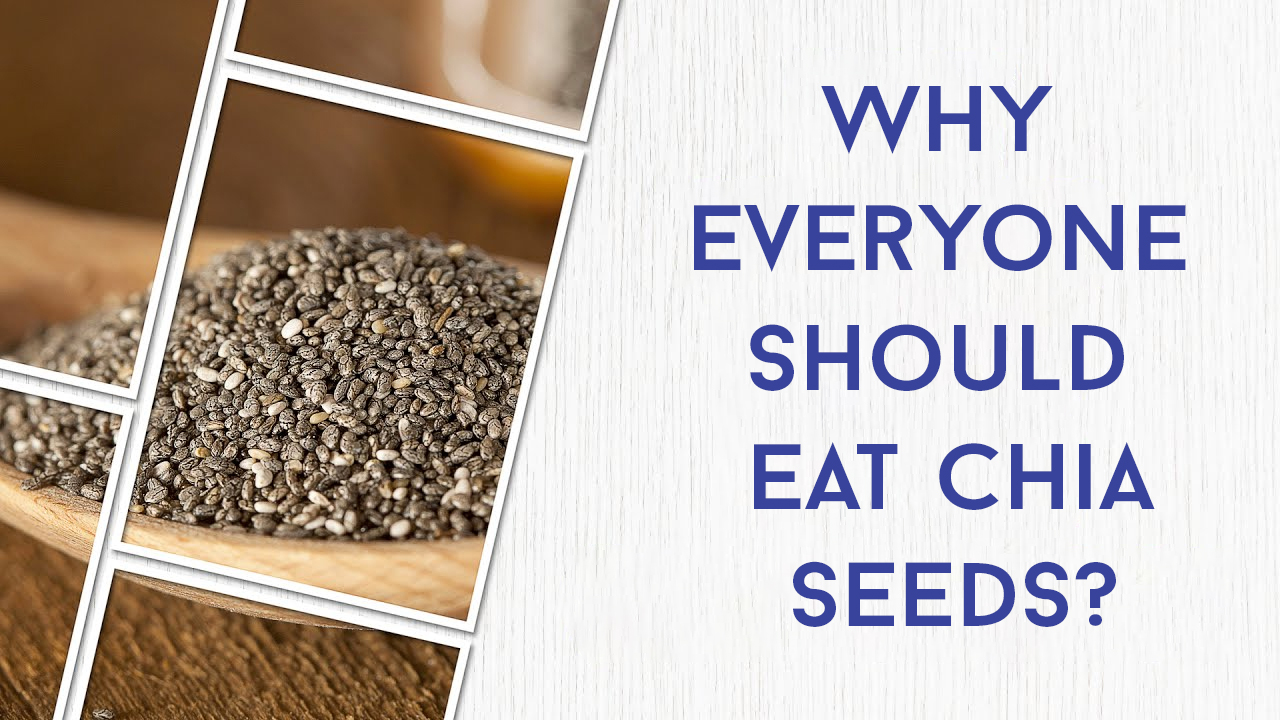
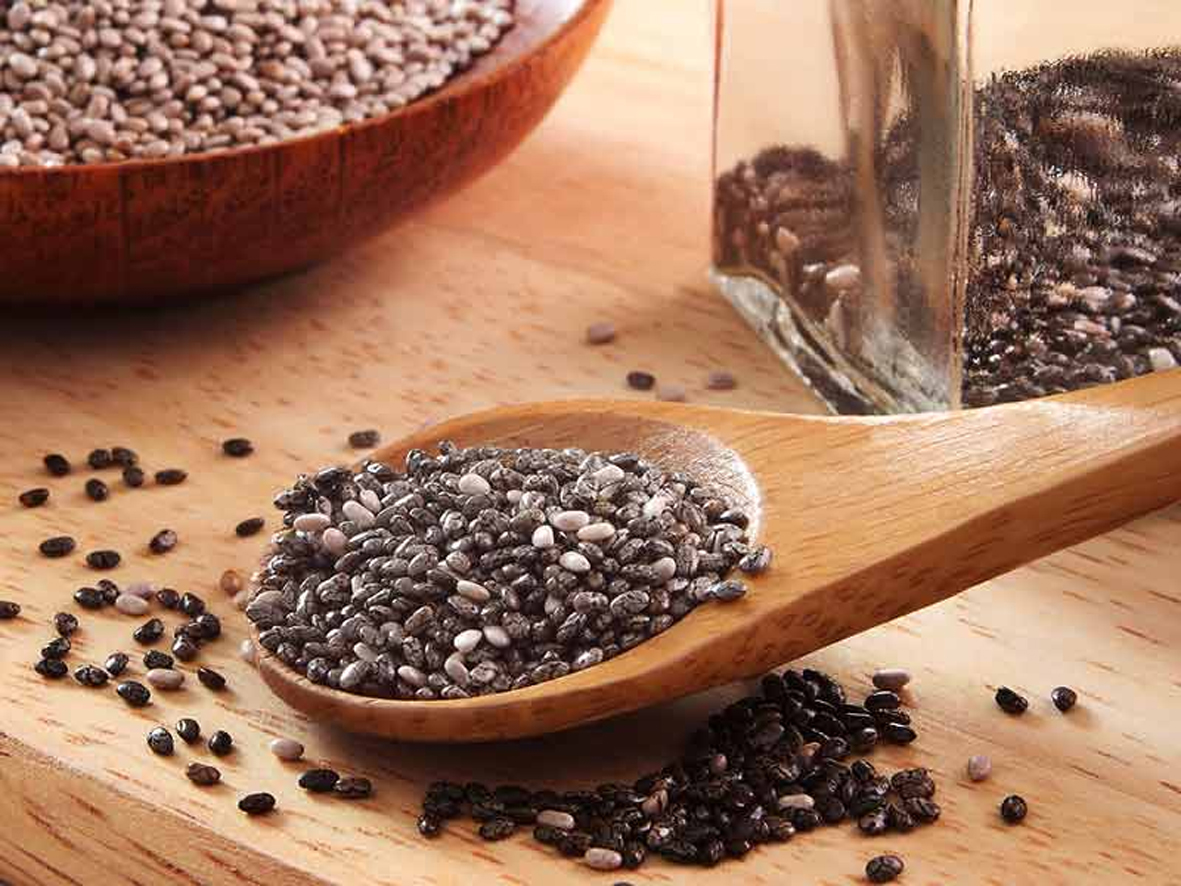
Why everyone should eat Chia Seeds?

Weight loss can be a major challenge today because of the abundance of food available and a more sedentary.

But inthis modern-day superfood that is native to South America can help you with weight loss in a healthy way . In older times, chia seeds were a staple in Mayan and Aztec diets, but later got banned due to their ritualistic religious use. Needless to say, these seeds have made a comeback with a bang in the market due to their positive connection with weight loss.

When you think of chia seeds, you most likely think of the tiny seeds that were the joke of a generation as we slathered them on clay sculptures and gleefully watched the sprouting of ‘green hair’ on Homer Simpson and porcupines.uhh..now let us go keen on them, Chia seeds are rich in fibre and thus eating them in between your meals not only stops you from bingeing but also helps you eat less in your next meal.

Chia is the edible seed of Salvia hispanica, a flowering plant in the mint family.

The seeds are hydrophilic, absorbing up to 12 times their weight in liquid when soaked and developing a mucilaginous coating that gives chia-based creams and beverages a distinctive gel texture.

Nutritional value per 100 g (3.5 oz)

Energy – 486 kcal (2,030 kJ)

Carbohydrates -42.1 g

Dietary fiber-34.4 g

Fat-30.7 g

Protein-16.5 g


Chia seeds on average contain 6% water, 42% carbohydrates, 16% protein, and 31% fat. The fatty acids in chia seeds are highly unsaturated, with the major fats being linolenic acid (50–57% of total fat) and linoleic acid (17–26%). The seeds are rich in omega-3 fatty acids and the B vitamins thiamin and niacin.

Ground or whole chia seeds are used in Argentina, Bolivia, Guatemala, Mexico, and Paraguay for nutritious drinks and food.

Chia seeds may be sprinkled or ground up on top of other foods. Chia seeds can also be mixed into smoothies, breakfast cereals, energy bars, granola bars, yogurt, tortillas, and bread. They can be soaked in water and consumed directly or mixed with any kind of juice or milk.

Categories Advice, Diet, Fitness, food, nutrition, Protein, skin, Wellness

6 skin benefits of fasting during Shravan

In case you are fasting and keeping your non-vegetarian diet aside, here are seven food items that will help you get a healthy glowing skin in the month of Shravan

If you think that fasting during Sharavan can turn your skin dull and dry, then you need to think again. This is because a vegan diet comprising of fruits, vegetables, health drinks and nuts, improves the digestive system, keeps you healthy and helps you attain a glowing skin. The fasting diet is equally rich in vitamins and minerals, fasting do have some skin benefits. These seven food items listed below will help you get a healthy glowing skin in the month of Shravan:

banana

1. Banana: Rich in vitamins, minerals, and potassium, the fruit nourishes and revitalises dry skin. Consumption of banana protects the skin against free radicals that cause pre-mature ageing. While it’s zinc content fights acne-causing bacteria and the vitamin C content promotes the production of collagen.

papaya

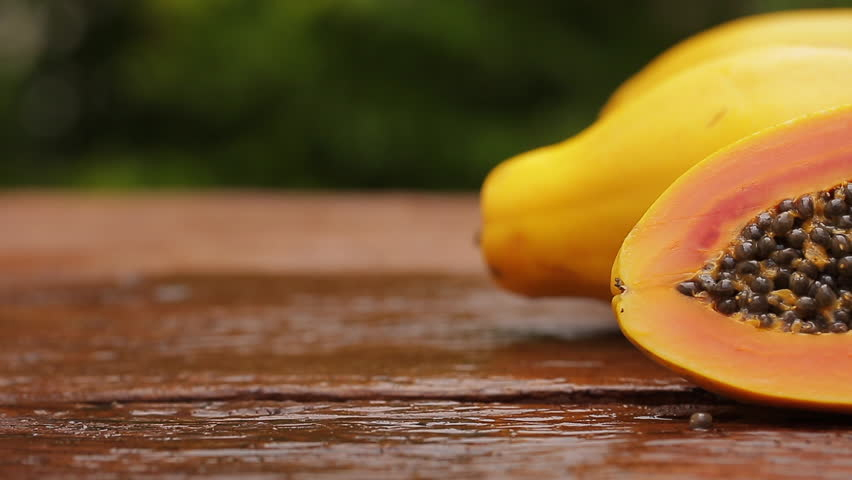
2. Papaya: Rich in vitamin A and Papain enzyme, papaya helps to reduce pigmentation and promote rejuvenation. Also, it removes tan and controls acne breakout.

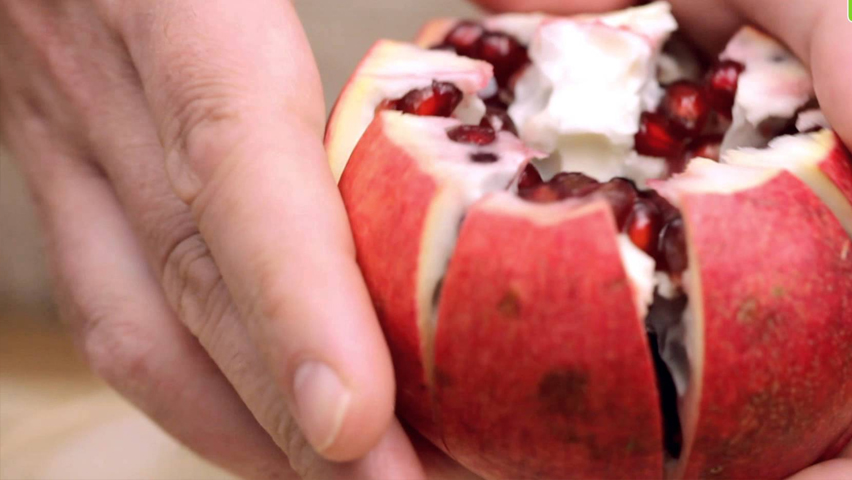
3. Pomegranate: Its antioxidant property builds up immunity and reduces tanning. Also, pomegranate has anti-ageing property that help rejuvenate the skin internally and externally. The delicious fruit if consumed during the fasting season, will keep the skin healthy and glowing.

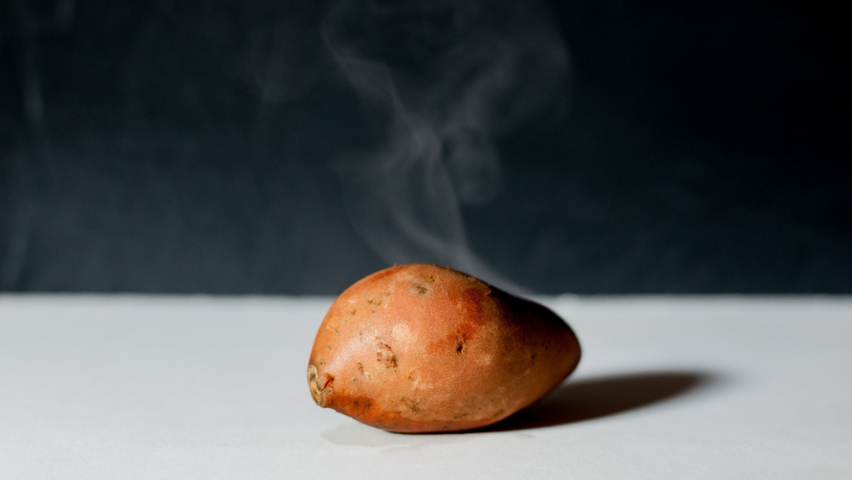
4. Sweet potato: It contains vitamin A, C, D along with niacin, riboflavin and potassium. Sweet potato is a rich source of natural antioxidant that reduces pigmentation and signs of ageing. During Shravan, sweet potato can be eaten in boiled or mashed form. It can also be sauteed in olive oil and eaten for taste.

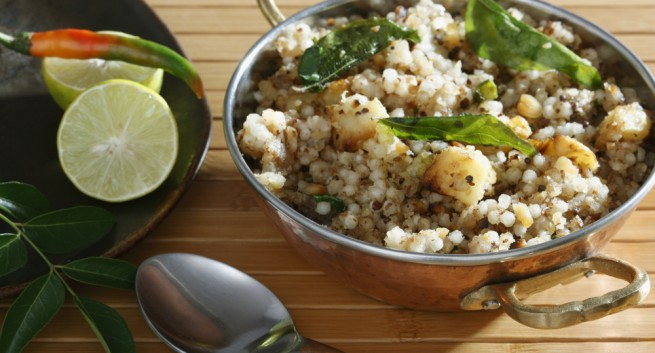
5. Sabudana: This is another rich source of carbohydrate, which is eaten universally during fasting period. Carbohydrates are rich source of energy and will keep you active throughout the day. Sabudana is eaten mostly in the form of khichdi, popularly known as ‘sabudana khichdi’. Mix milk and dry fruits in a sabudana recipe to increase its nutrition level. Sabudana along with milk and dry fruita contribute to a healthy skin.

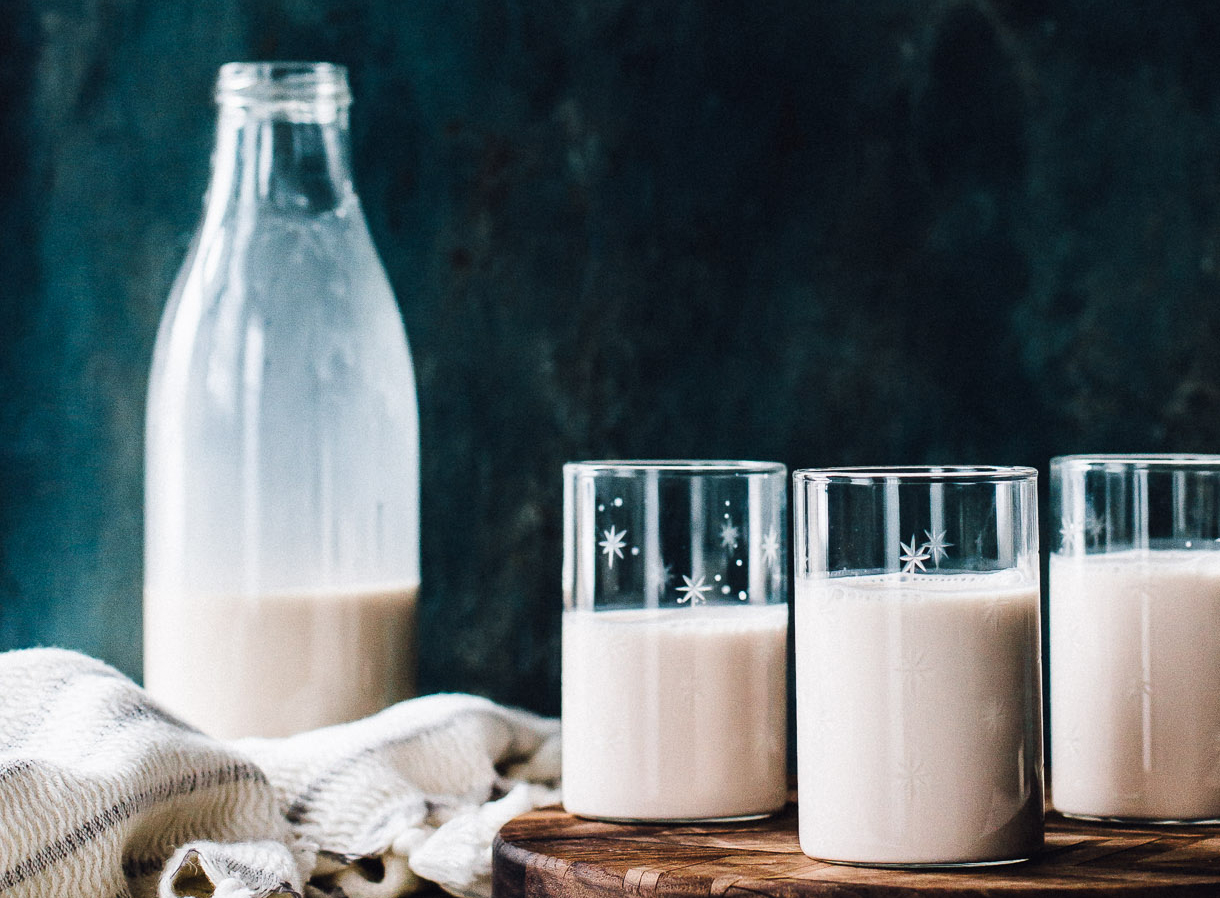
6. Cold Milk: This is one of the most important drinks to have during Sharavan. Drinking milk increases the nutrition level of the diet and helps attain a healthy skin. Anytime you feel an acid formation in the stomach or heartburn coming on during the fasting period, have a glass of plain cold milk without additives or sugar. It can also be consumed as the main drink in the morning or evening.

Stay away from high calorie foods during fasting month as such food items can weaken the immune system and lead to a dull skin.

Categories Advice, Diet, Fitness, food, Wellness

Why fasting during Shravan is good?

The Hindu month of Shravan is when many people follow fasts on certain days like Mondays or eat only one meal for the entire month. There are also other days like the Chaturthi, Ekadashi, Poornima (full moon day) etc. when fasting is followed too. Why did this practice of fasting begin? What are the rules? Does it have any benefits – health and otherwise?

The spiritual reason

It is believed that fasting has been a part of Hinduism, which is a way of life, since the beginning. We, humans, spend a lot of time in planning, procuring, cooking and eating food which not only becomes an exhausting activity by itself, but it also takes away from what should be a spiritual way of life. Or so is the belief! So, certain days were followed as days of fast when one would abstain from eating or would eat limited, saatvik foods.

Hence, the food allowed on fasts were supposed to be those which are easy to procure throughout the year, like the tubers sweet potato, yam, tapioca, the millets like the Indian barnyard millet (samo/varai/bhagar/saamai), grains like amaranth (rajgira), dried fruits, water chestnuts etc. It was believed that when you don’t have to spend too much time in managing the food part of every day, you end up having more time to be close to the Almighty or the higher spiritual powers, and hence one would take up these fasts with joy.

The present reality

Unfortunately, over time, fasting has become more of a feasting where people indulge in deep fried starchy foods like potatoes, sabudana (sago palm starch pearls), sweets made using dairy products and heavy handed use of ghee. Also, often people forget the real purpose and goal of a fast eat simple foods (eg. Fruits), do not over eat, eat less at each meal or decrease the number of meals, cook food in a saatvik way (avoid deep frying, processed foods).

So instead of being able to derive any of the reported benefits of fasting like improved digestion, improved insulin levels, decreased body weight – one ends up actually feeling bloated and is unable to sleep at night due to the ‘upvaas’ feasting induced hyper- acidity.

How to derive health benefits from fasting?

  • Take the focus away from food: Instead of planning a visit to a new upvaas food joint, eat a fruit and enjoy the light feeling tummy.
  • Eat nutritious carbs: Stay away from starchy potatoes and sabudana and derive the nutritious benefits of foods like water chestnut, rajgira and varai.
  • Follow the ancient Chinese rule of eating: Eat one morsel less than what makes you feel full. Do not overeat at any cost.
  • Detox: Drink plenty of water and eat fresh fruits as that is what will keep you feeling energetic.
  • Revive the Saatvik way: Use healthier cooking methods for making delicious upvaas food eg. Make sabudana appe instead of sabudana wada or a upvaasache thalipeeth made from upvaas bhajani instead of sabudana thalipeeth.
  • No feasting after fasting: Once you are done with the fast, do not try to compensate for the imaginary loss of calories by bingeing the next day.
  • Exercise, always: It would be useful to remember that a fast does not mean you are unwell, no need to use that as an excuse to not exercise every day.
Hi, How Can We Help You?
Open chat